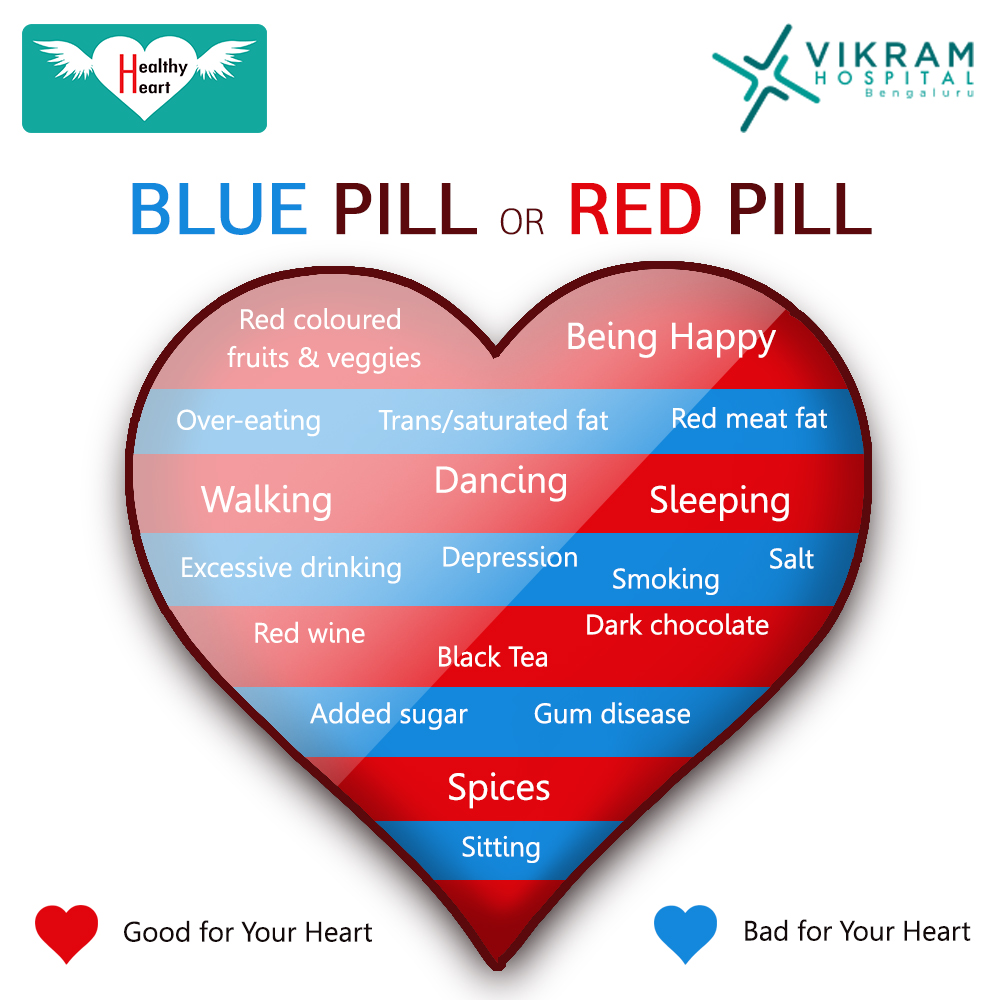
Cardiovascular disease is the leading cause of death throughout the world. It accounted for a total of 17.5 million deaths in 2012 that is 3 in every 10 deaths. Of these, 7.4 million people died of ischemic heart disease and 6.7 million from stroke. Recent medical breakthroughs and developments have made complex heart surgeries now possible with the use of advanced biomedical equipments. Vikram Hospital Bangalore with the latest technology and an expert medical team provides comprehensive heart care making it one of the best heart surgery hospital in Bangalore.
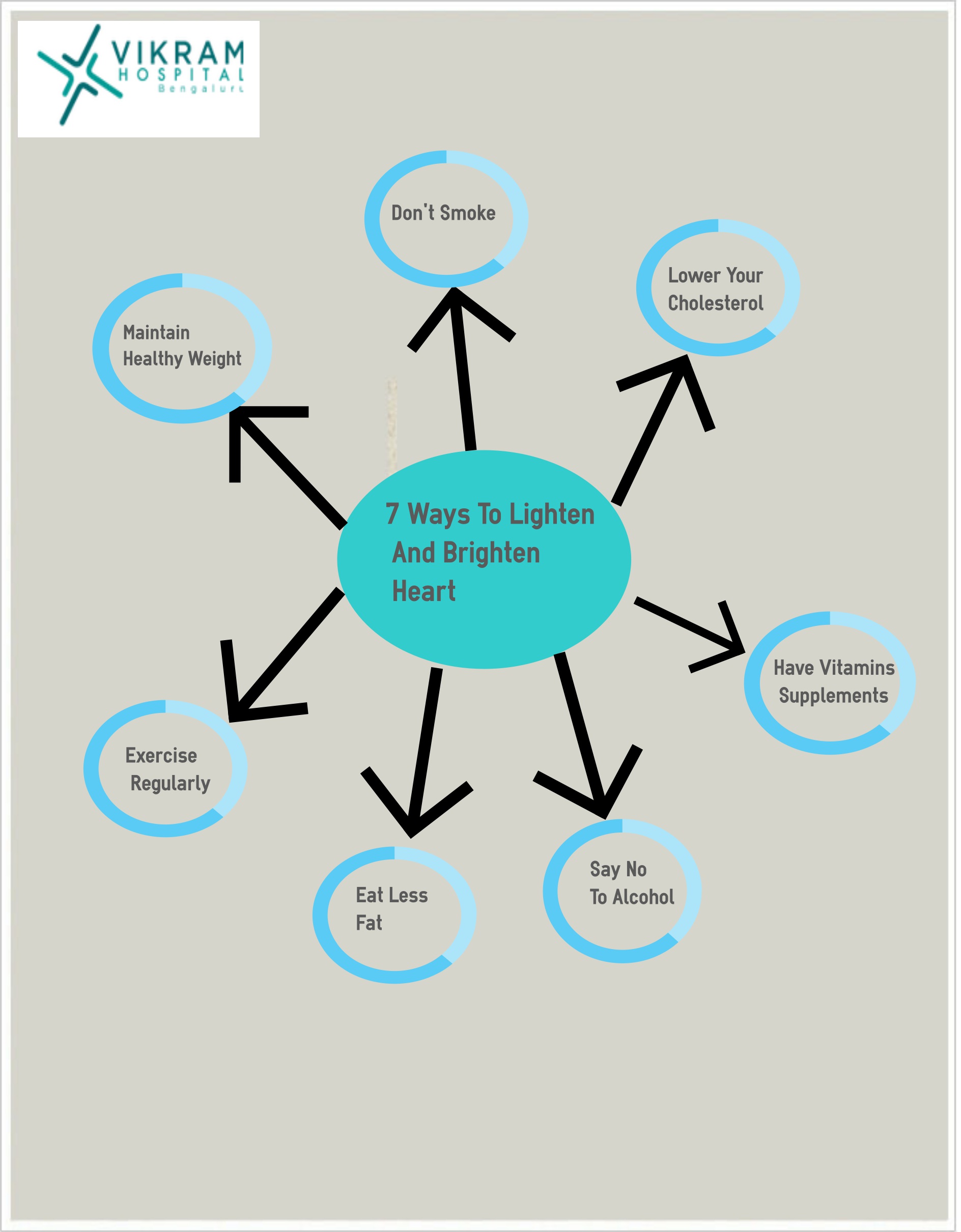
Major risk factors for cardiovascular disease include cigarette smoking, high blood pressure, high cholesterol and/or triglycerides, diabetes mellitus, obesity, sedentary lifestyle and poor nutrition. Prevention and treatment centers around these risk factors, so here is a quick list of 7 different kinds of approaches will help you lower risk for many other types of illness, as well as helping you feel great and have more energy overall.
1. Don’t smoke
Cigarette smoking remains the leading preventable cause of cardiovascular disease in women, with more than 50 percent of heart attacks among middle-aged women attributable to tobacco. Risk of cardiovascular disease begins to decline within months of smoking cessation and reaches the level of persons who have never smoked within 3 to 5 years.
2. Lower your cholesterol
High blood cholesterol is a condition that greatly increases your chances of developing coronary heart disease. Extra cholesterol in the blood settles on the inner walls of the arteries, narrowing them and allowing less blood to pass through them to the heart. Aim for total cholesterol below 200 mg/dL.
3. Maintain a healthy weight
Obesity and sedentary lifestyles are epidemics in the world today & contribute to increased risk of cardiovascular disease. The prevalence of obesity has increased among both men and women in the past decade; currently about one third of adult women (or 34 million) are classified as obese. Also, 60% of both men and women get no regular physical activity. Obesity, especially abdominal adiposity, is an important risk factor for cardiovascular disease in women.
4. Exercise regularly
Recent evidence suggests that even moderate-intensity activity, including brisk walking, is associated with substantial reduction of cardiovascular disease risk. Diabetes is associated with a threefold to sevenfold elevation in cardiovascular disease risk among women, compared with a twofold to threefold elevation among men. Approximately half of all deaths in patients with non–insulin dependent diabetes mellitus are due to heart disease. Regular exercise for 20-30 minutes helps in reducing the risk.
5. Eat less saturated fat, more produce & more fiber
Diets low in saturated fat and high in fruits, vegetables, whole grains, and fiber are associated with a reduced risk of cardiovascular disease. You may even think about moving toward more flexitarian or vegetarian eating habits. Also, avoid trans-fats as its linked to adverse lipid profiles and an increased risk of cardiovascular disease.
6. Consume alcohol only in moderation
Moderate intake of alcohol is related to reduction of cardiovascular disease — but may raise blood pressure and increase risk of breast cancer.
7. Arm yourself with risk-reducing vitamins
Antioxidant vitamin supplements, particularly vitamin E and homocysteine-lowering agents such as folate and B6, have promising roles in prevention of cardiovascular disease. The B vitamins, especially folic acid and B12, drive elevated homocysteine levels down to normal, often without the need of any prescription medication.
Implementing these few tips in your daily life will definitely make your heart healthier and merrier. In case you notice any symptoms of a heart disease then don’t ignore them as the sooner you get it checked, the better treatment can be provided at Vikram Hospital Bangalore, one of the best heart surgery hospitals.