 Don’t worry in your 30s
As you enter your 30s, your breasts begin to undergo many changes along with the rest of your body and hence It’s fairly common for women of this age group to experience breast pain, cysts, and lumps, but these are often non-cancerous. However, women with a family history of breast cancer and others experiencing lasting changes in their breasts should still see a doctor.Breastfeeding does not equal breast sagging
Numerous studies have shown that nursing does not directly result in drooping breast tissue. However, swelling of breasts during lactation can stretch the skinand when your breasts shrink again, loose skin on the outside gives an appearance of sagging.
Watch out for Cooper’s Droopers
With age, your breasts become less glandular and fattier, making them less firm. Fibrous bands in the breast called Cooper’s ligaments are also stretched over the years and can lead to sagging, hence the term ‘Cooper’s Droopers’.
Get the right support
While it may be impossible to reverse the natural signs of aging, giving your breasts the support they deserve can go a long way in delaying sagging. Wearing a well-fitting bra and a sports bra during exercises, minimises the stretching of fibrous bands in your breast, and consequently reduces sagging.
Kick the butt
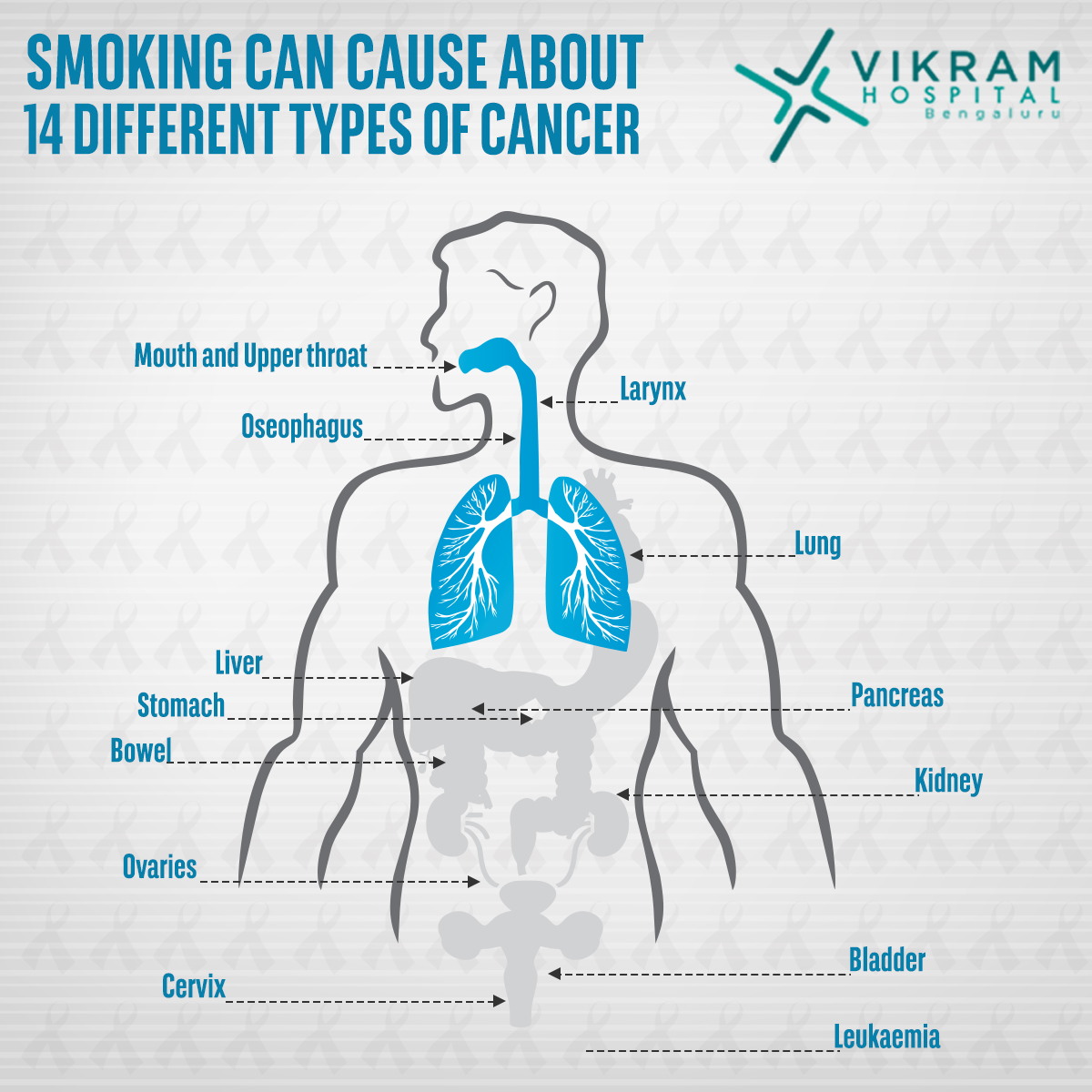
Even your breasts are not immune to the damage cigarettes do. In fact, smoking is one of the leading causes of sagging breasts. Smoking decreases blood supply to your skin, reducing skin elasticity, which in turn causes dropping breast tissue.
Take care of your breasts in your 50s
Post-menopause, your breasts not only become fattier but also shrink because your body no longer needs the milk-producing glands for breastfeeding. Any new lump that appears in your breasts after menopause requires a doctor’s prompt attention and women over 50 are advised to get a mammogram every year.
Sign up for regular checkups
Your best bet against breast cancer is regular checkups. If you experience any changes in your breast including a lump, thick or firm tissue in or near your breast or underarm, nipple discharge or tenderness, a nipple pulled back or inverted into the breast, itching or skin changes, such as redness, scales and dimples and a change in breast size or shape, then you should see a doctor right away.